












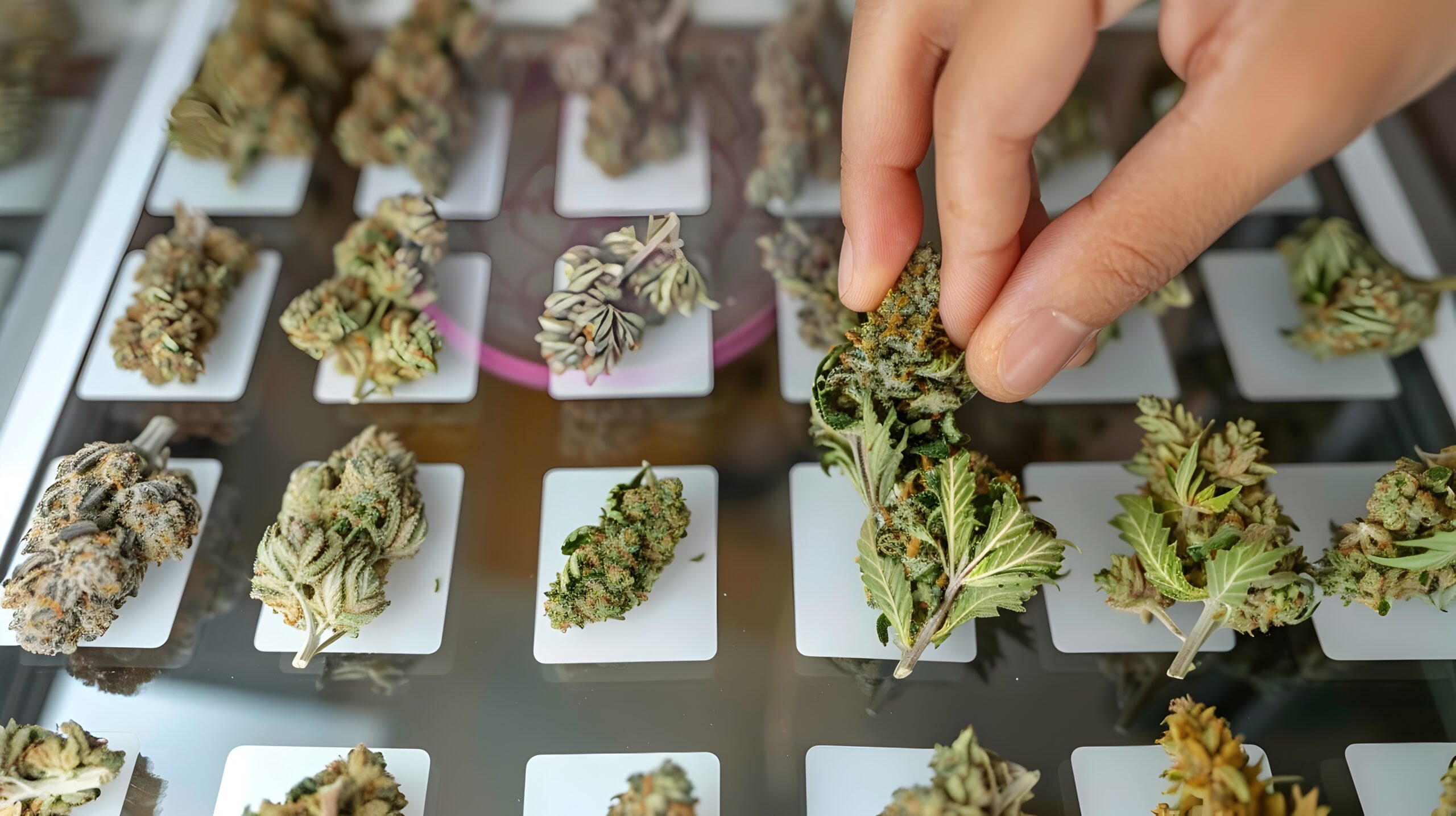
How to Choose Cannabis Strains That Fit Your Daily Lifestyle
Embarking on the journey into the world of cannabis is akin to stepping into a vibrant, bustling marketplace filled with an endless array of colors, aromas, and possibilities. Each stall, or in this case, each strain, presents a unique offering, a distinct sensory profile that promises a different kind of experience. For the uninitiated and the connoisseur alike, the sheer breadth of choice can be both exhilarating and slightly overwhelming. This is not merely about selecting a product; it is about curating an experience that harmonizes with the intricate rhythms of your own life. The path to finding the perfect cannabis strain is a personal exploration, a delightful puzzle of matching botanical characteristics with your daily routines, creative endeavors, and moments of quietude. It is a process that rewards curiosity, encourages self-awareness, and ultimately empowers you to make choices that resonate deeply with your individual flow, transforming a simple selection into a mindful act of personal alignment.
Valuable Insights into Cannabis
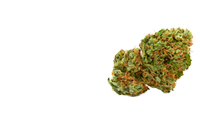
Cannabis is a genus of flowering plants, most notably Cannabis sativa, Cannabis indica, and Cannabis ruderalis, all belonging to the family Cannabaceae. These herbaceous annuals typically exhibit a dioecious nature, meaning individual plants are either male (producing pollen) or female (producing flowers containing seeds if pollinated). The plant’s distinctive morphology includes palmately compound leaves, often with serrated leaflets, and a fibrous, ridged stem. The flowers of the female plant, particularly the dense clusters known as “buds,” are notable for their glandular structures called trichomes, which are specialized epidermal outgrowths appearing as tiny, crystal-like hairs.
From a botanical and chemical perspective, these trichomes are the primary site for the biosynthesis and storage of a wide array of secondary metabolites, including cannabinoids, terpenes, and flavonoids. Cannabinoids, such as Delta 9 THC and CBD, are lipid-soluble compounds that’re synthesized via complex enzymatic pathways within the glandular trichomes. Terpenes are aromatic hydrocarbons that give cannabis its diverse scents and flavors, while flavonoids contribute to the plant’s pigmentation and also possess various biological activities. The intricate interplay of these compounds within the plant contributes to the distinct characteristics and effects associated with different cannabis varieties, which we’ll be exploring in more detail later on here.
Also, different parts of the cannabis plant, including the flowers, leaves, and stems, can be used for various purposes. The primary use often revolves around the consumption of its flowers for their cannabinoid content, whether for recreational enjoyment or potential wellness applications. The overall effects experienced by users are largely dependent on the specific cannabinoid profile of the cannabis strain, as well as the individual’s physiology.
The Enduring and Complex History of Cannabis
To truly appreciate the cannabis you choose today, one must first journey back through the annals of history, tracing the roots of this remarkable plant as they intertwine with the very fabric of human civilization. The story of cannabis is not a recent phenomenon but a sprawling epic that spans continents, cultures, and millennia. Archaeological discoveries place its origins in Central Asia, where evidence suggests our Neolithic ancestors cultivated it as far back as 10,000 years ago. These early interactions were not driven by a pursuit of psychoactive effects, but by practicality and necessity. The durable fibers of the hemp plant were invaluable, woven into textiles for clothing, twisted into ropes for tools and construction, and fashioned into some of the earliest forms of paper. The seeds, rich in protein and fatty acids, provided a vital source of nutrition.
The first documented mention of cannabis for its other properties comes from ancient China. In 2737 B.C., the Emperor Shen Nung, a revered figure often called the Father of Chinese Medicine, included the plant in his pharmacopeia, the Shen-Nung Pen-ts’ao Ching. This foundational text, compiled from generations of oral tradition, described cannabis as a plant with a dual nature, capable of offering unique benefits. This early recognition marked a pivotal moment, shifting the perception of cannabis from a purely industrial crop to a plant with a more complex and intimate relationship with human well-being.
From these ancient origins, the knowledge and cultivation of cannabis radiated outwards, carried along the bustling arteries of the Silk Road and other ancient trade routes. In India, cannabis found a deep spiritual and cultural significance. Known as “bhang” and revered in the sacred Hindu texts, the Vedas, it was celebrated as one of five sacred plants, a gift from the gods believed to bring joy and liberation. It became an integral part of religious festivals and ceremonies, consumed in milky, spiced beverages, and used by ascetics to aid in meditation and achieve states of spiritual enlightenment.
The nomadic Scythians, fierce warriors who roamed the Eurasian steppes, also had a well-documented relationship with cannabis. The ancient Greek historian Herodotus, writing in the 5th Century B.C., provided a vivid account of their ritualistic practices. He described how the Scythians would erect small tents, into which they would throw cannabis seeds onto red-hot stones, creating dense vapor clouds that they would inhale with howls of delight, inducing a state of trance and euphoria. This practice, confirmed by archaeological findings of braziers and charred cannabis seeds in Scythian tombs, represents one of the earliest known examples of cannabis inhalation for its psychoactive effects.
The plant’s journey continued into Africa, likely introduced by Arab traders, and it quickly integrated into the social and cultural fabric of many communities. In ancient Egypt, papyri dating back to 1550 B.C. contain references to cannabis, suggesting its use in various preparations. In the Islamic Golden Age, as Arab influence spread across the Middle East and North Africa, the use of hashish—a potent resin derived from the cannabis plant—became more widespread, finding its way into social life and even appearing in literary works like The Thousand and One Nights.
Cannabis eventually reached Europe, though its adoption was slower and more sporadic. The Romans and Greeks were aware of it, with writers like Pliny the Elder and Dioscorides noting its properties. However, it was the plant’s industrial form, hemp, that truly took hold. With the dawn of the Age of Sail, hemp became a strategic commodity of immense importance. Its fibers, unparalleled in strength and resistance to saltwater, were essential for manufacturing the ropes, rigging, and sails that powered global exploration and trade.
The plant arrived in the Americas with the European colonists. In the early 1600s, colonies like Virginia, Massachusetts, and Connecticut passed laws requiring farmers to grow hemp, as it was a critical resource for the British Royal Navy. For centuries, its role in the New World was almost exclusively industrial. The introduction of cannabis for personal and recreational use in the United States is a more recent chapter, largely beginning in the early 20th Century with the influx of immigrants from Mexico following the Mexican Revolution. They brought with them the cultural practice of smoking cannabis for relaxation and recreation, introducing the “evil weed” to a nation grappling with the social anxieties of the Great Depression. This association with immigrant communities and a growing counter-culture, fueled by political and racial tensions, ultimately led to a wave of prohibition, culminating in the Marijuana Tax Act of 1937 and later, its classification as a Schedule I drug under the Controlled Substances Act of 1970.
This long and storied history—from sacred plant and industrial workhorse to vilified substance and now, a subject of renewed scientific and cultural interest—provides a profound context for the choices we face today. Each strain we encounter is a living artifact, a product of millennia of cultivation, migration, and human ingenuity, carrying within its genetic code the echoes of ancient rituals, colonial ambitions, and a complex cultural journey.
Legal Status of Cannabis in the United States
The legal status of cannabis here in the USA is complicated, with a major difference between federal and state laws. At the federal level, cannabis is still considered an illegal Schedule I controlled substance, meaning it’s seen as having a high potential for abuse and no accepted medical use. This federal classification makes all cannabis-related activities, from growing to selling and possessing, illegal under national law.
However, many states have chosen a different path. A significant number have legalized cannabis for medical use, allowing patients to access it with a doctor’s recommendation. Additionally, many states have gone further, legalizing cannabis for recreational use by adults. This creates a patchwork where cannabis can be legal in one state but still federally illegal across the country. While federal law technically supersedes state law, the federal government has generally adopted a hands-off approach to state-legal medical cannabis programs.
Entering the World of Cannabis Strains
A cannabis strain refers to a specific variety of the cannabis plant, often selectively bred for distinct characteristics. These characteristics can include unique cannabinoid and terpene profiles, leading to varying effects on the user. The specific combination of compounds within a strain determines its aroma, flavor, and potential therapeutic benefits. Different strains are cultivated to produce a wide range of experiences, from uplifting to relaxing. Growers often name strains based on their lineage, appearance, or perceived effects to help consumers identify them.
The Foundational Trinity – Deconstructing Indica, Sativa, and Hybrid Strains
At the very core of navigating the cannabis landscape lies the traditional classification system: Indica, Sativa, and Hybrid. While modern science, particularly the study of terpenes, has added layers of complexity and nuance to this framework, these three categories remain the most fundamental and widely used starting point for understanding and anticipating the potential effects of a given strain. They serve as essential signposts, guiding consumers toward an experience that aligns with their desired state of being, whether it be profound relaxation, creative stimulation, or a finely tuned balance of both.
Indica: The Harbinger of Deep Relaxation and Serenity
When one envisions a classic cannabis experience geared towards tranquility and physical ease, they are invariably thinking of an Indica. These strains are the quintessential choice for unwinding, for shedding the burdens of a long day, and for sinking into a state of deep, blissful repose. The effects of Indica strains are most often described as a “body high” or being “stoned.” This sensation is characterized by a profound sense of physical relaxation that can feel like a warm, weighted blanket enveloping the body, melting away tension and promoting a state of serene stillness. This makes Indicas particularly well-suited for evening use, pre-bedtime rituals, or any activity that benefits from a calm and centered disposition, such as watching a film, listening to an immersive album, or simply engaging in quiet contemplation.
Botanically, Cannabis indica plants reflect their geographic origins in the harsh, mountainous regions of the Hindu Kush, near Afghanistan and Pakistan. They adapted to these cooler climates by growing into short, dense, and bushy plants with broad, dark green leaves that are almost forest-like in their hue. Their flowering cycle is relatively short, a trait prized by cultivators in regions with shorter growing seasons. The aromatic profile of Indica strains is typically deep, rich, and earthy. Common scent descriptors include musk, damp soil, sandalwood, and rich wood, often complemented by subtle undertones of sweet fruit, like dark berries or plums. For those seeking a pathway to a chilled-out, peaceful state, an Indica strain is a reliable and time-honored choice.
Sativa: The Catalyst for Energy, Creativity, and Euphoria
In stark contrast to the grounding nature of Indicas, Sativa strains stand as the botanical embodiment of energy and uplift. These are the strains one turns to for a spark of inspiration, a surge of motivation, or a desire to engage with the world in a more vibrant and sociable manner. The experience associated with Sativas is colloquially known as a “head high”, a cerebrally-focused effect that can stimulate the mind, foster creativity, and enhance sensory perception. Users often report feelings of euphoria, heightened focus, and an energetic buzz that can make them more talkative, giggly, and inclined towards creative or physical activities. This makes Sativas an excellent companion for daytime adventures, social gatherings, brainstorming sessions, artistic endeavors, or even tackling household chores with newfound enthusiasm.
The physical appearance of Cannabis sativa plants speaks to their origins in the hot, humid climates near the equator, in regions like Southeast Asia, Central America, and Africa. They grow tall and lanky, often reaching heights of 12ft or more, with long and thin narrow leaves of a much lighter, brighter shade of green. Their life cycle is longer than that of Indicas, as they luxuriate in extended periods of sunlight. The aromas of Sativa strains are a direct counterpoint to the earthy depths of Indicas. They are typically bright, sharp, and invigorating, dominated by notes of zesty citrus (like lemon and grapefruit), fresh pine, spicy pepper, and sometimes even a hint of exotic fuel or haze. For anyone looking to elevate their mood and energize their mind, a Sativa strain offers a clear and vibrant path forward.
Hybrid: The Artful Synthesis of Balance and Nuance
The vast majority of cannabis strains available on the modern market do not fall neatly into the pure Indica or Sativa categories. Instead, they are Hybrids—the masterful result of crossbreeding Indica and Sativa plants. This practice of hybridization allows cultivators to act as botanical artists, selectively breeding plants to capture and combine specific, desirable traits from both sides of the genetics spectrum. The result is an almost infinite array of strains, each offering a unique and nuanced symphony of effects.
Hybrids can be categorized based on their genetic lineage:
- Sativa-Dominant Hybrids: These strains offer the cerebral uplift and euphoric energy of a Sativa, but with a subtle undercurrent of Indica-driven body relaxation. This can temper the raciness that some experience with pure Sativas, providing a more grounded yet still stimulating experience.
- Sativa-Leaning Hybrids: A slightly more even blend, where Sativa characteristics are noticeable but not as overwhelmingly prominent as in a truly dominant strain, offering a more subtle tilt towards sativa effects while maintaining a good degree of balance with its indica heritage.
- Indica-Dominant Hybrids: Conversely, these strains provide the deep physical calm and relaxation characteristic of an Indica, but are accented with a gentle cerebral clarity or mood elevation from their Sativa heritage. This can prevent the heavy “couch-lock” effect, making for a relaxing yet functional experience.
- Indica-Leaning Hybrid: This suggests a more nuanced balance where Indica traits are evident and provide a noticeable calming sensation, but the Sativa influence is enough to offer a more balanced experience, like a clearer mind or less intense “couch-lock” than a truly dominant strain. It “leans” towards Indica effects without being overwhelmingly so.
- Balanced Hybrids (50/50): These strains aim to provide a harmonious and equal blend of head and body effects, offering the best of both worlds. They are often praised for their versatility, making them suitable for a wide range of activities and times of day.
The appearance and aromatic profiles of Hybrid plants can vary dramatically, reflecting their diverse genetic parentage. They might be of medium height with a mix of broad and narrow leaves, and their scent could be a complex fusion of earthy musk and sharp citrus, or sweet berries and spicy pine. The world of Hybrids represents the pinnacle of cannabis cultivation, offering a highly customizable experience that allows users to fine-tune their selection to match their precise preferences and lifestyle needs with unparalleled specificity.