









Summary of Key Points
- A search for “dispensary near me” turns up plenty of pins on the map, but the stores behind them differ in quality, transparency, and product range.
- Third-party lab testing is the clearest signal that a dispensary takes its products seriously.
- A wider product mix (flower, edibles, drinks, vapes, tinctures) makes it easier to match a product to how you actually want to feel.
- Knowledgeable staff can shorten a thirty-minute browse into a five-minute decision.
- Greenlife Remedies serves the Charlotte area through four stores in Concord, Matthews, Mount Holly, and Pineville.
You typed “dispensary near me” into your phone, scrolled through a handful of results, and now you’re looking at a map full of pins. Most of them look pretty similar from the outside.
That moment of “where do I actually go?” is common in the Charlotte area, where hemp-derived cannabis options have grown quickly over the last couple of years. There are now dozens of stores between Concord and Pineville, and the differences between them are not always obvious until you walk in.
This guide is meant to make the next search a little easier. It covers what to look for when picking a local dispensary, why some details matter more than others, and what a good shop should be doing behind the scenes.
What “Dispensary” Actually Means in Charlotte
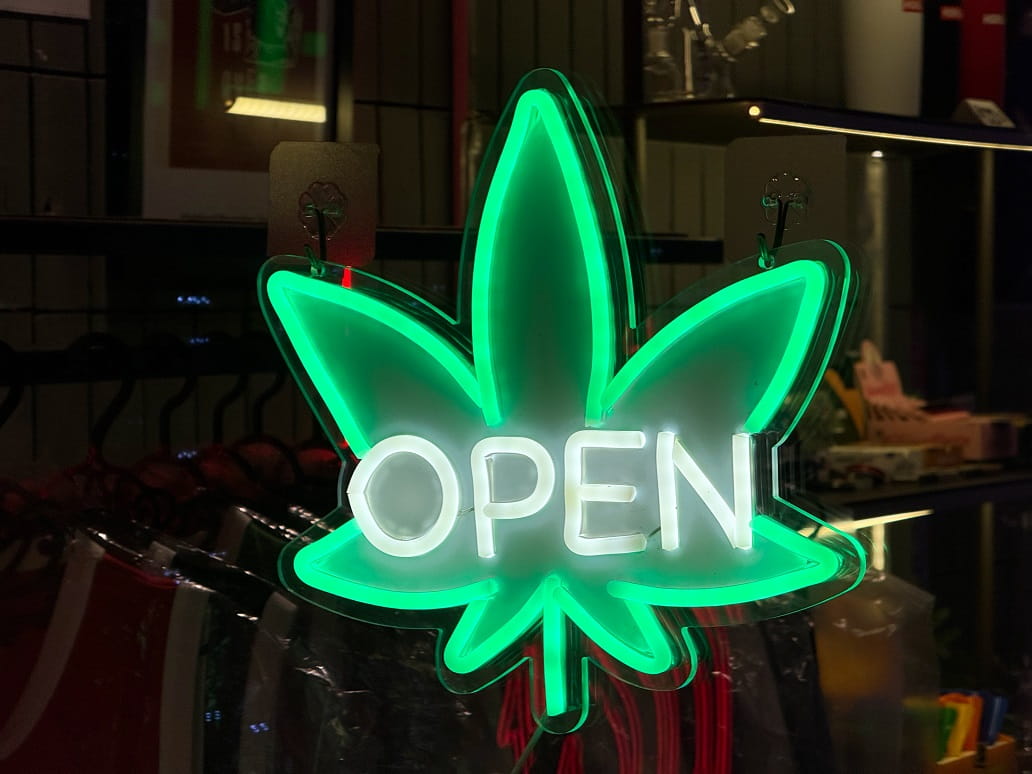
North Carolina does not have a state-licensed adult-use cannabis program. So when people search “dispensary near me” in Charlotte, they’re almost always looking at hemp-derived stores rather than traditional cannabis retailers.
These shops sell products that are federally legal under the 2018 Farm Bill, including THCa flower, Delta-9 edibles, drinks, vapes, and CBD goods. All of them follow the same rule on the back end: less than 0.3% Delta-9 THC by dry weight in the finished product.
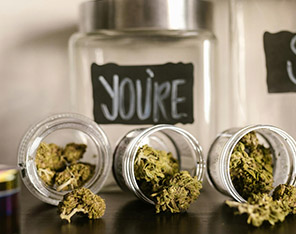
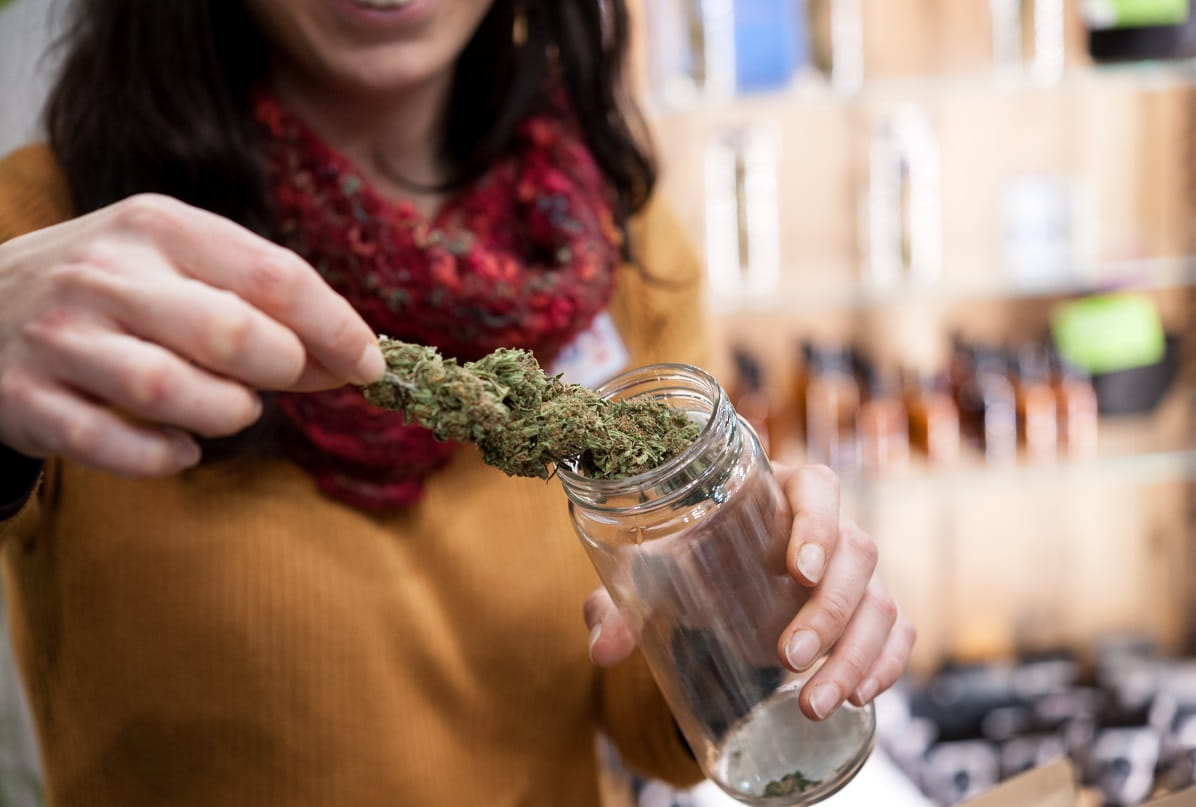
What that means in practice is that the experience can still feel a lot like a traditional dispensary. You’ll still need to be 21 or older with a valid ID. You’ll still see flower behind the counter, edibles on shelves, and staff who can talk you through what each product does and how long it tends to last.
Lab Testing Should Be the First Thing You Check
The single most useful piece of information a dispensary can hand you is a Certificate of Analysis, also called a COA.
A COA is a third-party lab report that confirms what’s actually in a product. It will list cannabinoid content (CBD, THCa, Delta-9 THC, and others), confirm Delta-9 stays under the legal limit, and screen for things you do not want, like heavy metals, residual solvents, and pesticides.
Reputable shops will either show you these reports in-store or post them on their website. If you ask for one and the answer is vague, that’s worth paying attention to. The same goes for products with peeling labels, missing batch numbers, or no manufacturer information at all.
Look at the Range of Products, Not Just Flower
A strong local dispensary should carry more than one or two product types. The reason is simple: not every situation calls for the same kind of product, and the right format depends on the day.
A typical well-stocked store will offer:
- Flower and pre-rolls for traditional smoking
- Edibles like gummies and chocolates for slower, longer-lasting effects
- THC and CBD drinks for social settings or anyone who would rather not smoke
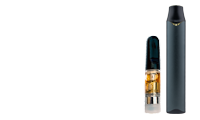
- Vaporizers and cartridges for portability and quicker onset
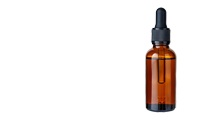
- Tinctures and topicals for more controlled, low-key use
When the menu is broader, it’s easier to match what you’re buying to how you actually want to feel that evening, that weekend, or after a long day at work. A shop that only stocks flower can’t help much when you’re looking for a low-dose drink to bring to a friend’s house.
Staff Should Save You Time, Not Cost You Time
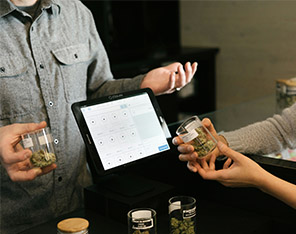
The other quiet differentiator between dispensaries is the people working behind the counter. A good budtender will ask a couple of practical questions before recommending anything: what you’ve tried before, how you want to feel, whether you have a particular time of day in mind.
That conversation matters more than reviews or marketing copy, especially if you’re newer to hemp-derived products. The same flower can feel very different depending on dose, format, and time of day, and a knowledgeable team can shorten the trial-and-error window considerably.
If a staff member is dismissive, in a hurry, or pushing the highest-margin product on the shelf without asking what you’re looking for, that’s a useful signal too.
Pickup, Shipping, and the Logistics That Actually Matter
Beyond what’s on the shelf, look at how a dispensary handles getting product into your hands. The convenience side of the visit is easy to overlook until you’re standing in line at six-thirty on a Friday.
Useful conveniences include:
- Online ordering for in-store pickup, so the visit is just a quick stop at the counter
- Ship-to-me delivery for customers who don’t live close to a store
- Clear hours, including evenings and weekends
- Multiple stores so you can pick whichever is on your normal commute
Greenlife Remedies, for example, runs four Charlotte-area locations in Concord, Matthews, Mount Holly, and Pineville, with shipping for customers across North Carolina and the wider United States. Each store carries the same core lineup, so you can pick whichever is closest to you that day.
Frequently Asked Questions
What’s the difference between a dispensary and a CBD store in Charlotte?
A CBD store typically focuses on hemp products with little to no THC, while a hemp dispensary in Charlotte usually carries a wider range, including THCa flower, Delta-9 edibles, and vapes. Both are federally legal as long as Delta-9 THC stays under 0.3% by dry weight.
Do I need a medical card to buy from a dispensary in Charlotte?
No. North Carolina does not have a public medical cannabis program, but hemp-derived products are sold through standard retail. You only need to be 21 or older with valid ID.
Are the products at hemp dispensaries actually intoxicating?
Many of them are. THCa flower, Delta-9 gummies, and infused drinks can all produce noticeable effects. The intensity depends on the cannabinoid, the dose, and your own tolerance.
How do I know which dispensary near me is reputable?
Look for clearly displayed lab results, knowledgeable staff, a broad product range, and consistent labeling. Reviews can help, but a quick visit usually tells you more than a star rating.
Finding a Dispensary Near Me in Charlotte Without the Guesswork
The next time you search “dispensary near me” in Charlotte, the goal is not to pick the closest pin on the map. It’s to pick the one that does the boring work well: testing, labeling, training its team, and stocking enough variety that you can find what fits your day.
If you’d like to take a look in person, our four locations are spread across Concord, Matthews, Mount Holly, and Pineville, and the team is happy to walk through any product on the shelf with you.
Disclaimer: Hemp-derived products are not intended to diagnose, treat, cure, or prevent any disease. Customers must be 21 or older to purchase.