













CBD and THC Myths vs Facts: What People in Charlotte Often Get Wrong
As CBD and hemp-derived THC products continue to grow in popularity across Charlotte, so does the amount of misinformation surrounding them.
If you’ve ever felt confused by conflicting information, you’re not alone. Below, we break down some of the most common myths and what you should actually know when exploring CBD and THC products.
Myth #1: All CBD Products Are the Same
Fact: CBD products can vary widely in quality, formulation, and transparency.
Not all products are created equal. Differences can include:
- Hemp sourcing
- Extraction methods
- Cannabinoid content
- Lab testing standards
This is why reviewing labels and third-party lab results is so important when comparing products.
Myth #2: Hemp Products Only Contain CBD
Fact: Hemp-derived products can contain multiple cannabinoids, including THC (within legal limits).
Depending on the product, you may find:
- CBD-only formulations
- Products that include trace amounts of THC
- Combinations of multiple cannabinoids
Understanding the product’s cannabinoid profile helps clarify what you’re purchasing.
Myth #3: Labels Always Tell the Full Story
Fact: Labels are helpful—but lab testing provides deeper verification.
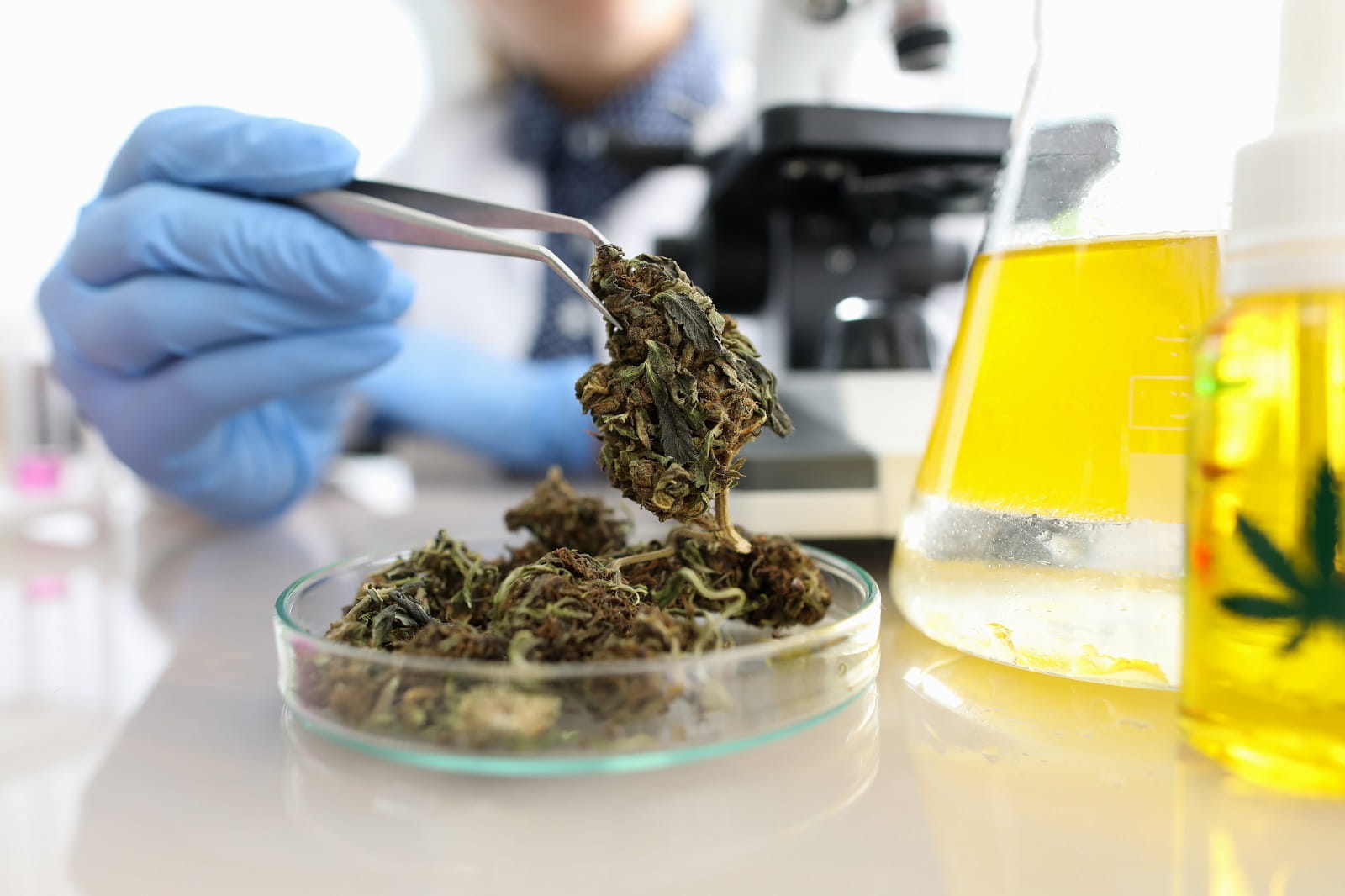
While labels give an overview, a Certificate of Analysis (COA) confirms:
- Exact cannabinoid content
- Compliance with legal thresholds
- Screening for contaminants
That’s why reputable products include a way to access lab results, often via a QR code.
Myth #4: Higher Price Means Higher Quality
Fact: Price alone doesn’t determine product quality.
A higher price doesn’t always guarantee better sourcing, testing, or formulation. Instead, focus on:
- Transparency
- Lab testing
- Ingredient clarity
These factors are more reliable indicators of quality than price alone.
Myth #5: All THC Products Are the Same
Fact: Hemp-derived THC products can vary in type, formulation, and composition.
There are different forms of hemp-derived THC products available, and they may differ in:
- Cannabinoid combinations
- Product format (edibles, tinctures, etc.)
- Concentration and labeling
Understanding these differences can help you better compare products on the shelf.
Myth #6: CBD and Hemp Oil Are the Same Thing
Fact: CBD and hemp seed oil are different.
- CBD is derived from the hemp plant’s flowers and contains cannabinoids
- Hemp seed oil is made from seeds and typically does not contain CBD
This distinction is important when reading product labels and choosing what to buy.
Myth #7: All CBD Products Are Clearly Labeled
Fact: Label clarity can vary significantly between brands.
Some products provide:
- Detailed cannabinoid breakdowns
- Ingredient transparency
- Easy access to lab reports
Others may be less clear. That’s why it’s important to compare products and ask questions when needed.
Myth #8: Buying Online Is the Same as Buying Local
Fact: Shopping locally can offer added transparency and support.
When you visit a local Charlotte CBD store, you can:
- Ask questions in real time
- Review lab results in person
- Get guidance on product differences
This can make the buying process more straightforward compared to navigating online listings alone.
At Greenlife Remedies, our knowledgeable staff members are always happy to see you and answer your questions. We also have online buying options, with in-store pick up or fast shipping, for your convenience.
Final Thoughts: Focus on Facts, Not Assumptions
With so much information available, it’s easy to run into misconceptions about CBD and THC products.
By focusing on verified information like lab testing, ingredient transparency, and clear labeling, you can better understand what you’re buying and avoid common misunderstandings.
If you’re in Charlotte, working with Greenlife Remedies CLT can help you cut through the noise and make more informed decisions.
Disclaimer
Hemp-derived products are not intended to diagnose, treat, cure, or prevent any disease. Always review product labeling and consult with a qualified professional if you have questions.